
5 Reasons Restaurants Need Mold Inspections in NY

November 6, 2026

Share this article

Restaurants and bakeries in Westchester County, NY should schedule mold inspections before the holiday rush to identify hidden moisture, protect employees and customers, avoid operational disruptions, and document building conditions. New York law does not impose one blanket mold-testing requirement on every restaurant, but specific mold projects and building conditions may trigger legal obligations.

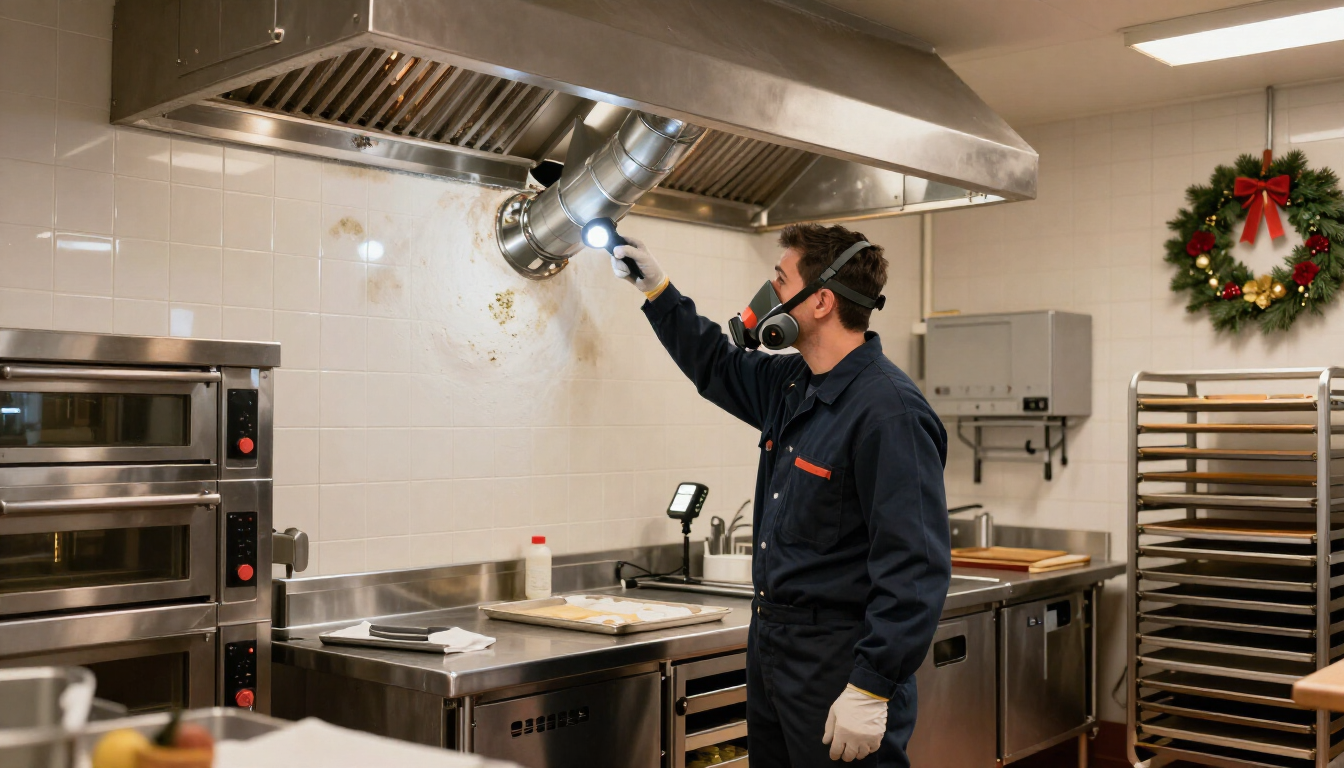
Mold inspection for a Westchester NY restaurant kitchen

Why should Westchester restaurants schedule mold inspections before the holidays?

The holiday season can be one of the busiest and most profitable periods for restaurants, cafés, bakeries, caterers, and food-service businesses. More customers, longer operating hours, increased deliveries, and temporary staff can place additional pressure on the building and its mechanical systems.

A small roof leak, plumbing issue, condensation problem, or poorly ventilated storage area may go unnoticed until it affects food-service operations. A professional inspection helps identify moisture sources and visible or concealed conditions before they become an emergency.

For businesses in Westchester County, NY , early planning can provide time to investigate concerns, coordinate repairs, and complete any needed follow-up before holiday reservations and production schedules peak.

What are the main benefits of mold inspections for restaurants?

Mold inspections are not simply about collecting air samples. A qualified professional evaluates the property, looks for moisture conditions, and determines whether testing is appropriate. Key benefits include:

  • Early problem detection: Find water intrusion, condensation, or musty areas before damage expands.
  • Better employee and customer confidence: Respond to odor or indoor-air concerns with documented information.
  • Reduced disruption: Address issues during planned maintenance rather than during the busiest service period.
  • Useful documentation: Create a written record for owners, property managers, insurers, contractors, or tenants.
  • Smarter next steps: Determine whether the concern calls for repair, targeted testing, remediation, or additional evaluation.

Mold can develop behind walls, under flooring, around refrigeration equipment, near dishwashing areas, in ceiling cavities, or inside damp storage spaces. Visual inspection alone may not reveal every condition, especially when moisture is hidden.

Does New York State require restaurants to have mold inspections?

Generally, New York State does not require every restaurant or bakery to obtain a routine mold inspection simply because it operates as a food-service business. However, New York’s mold law, commonly associated with Article 32 of the Labor Law and related regulations, can apply when mold assessment or remediation work meets the law’s requirements.

The rules may be relevant when a property has a mold condition above applicable size thresholds, when professional mold assessment or remediation is performed, or when licensed professionals are required for the project. Building owners and operators should also consider local health, building, lease, insurance, and workplace requirements.

The practical takeaway is important: do not assume that a general inspection is legally required, but do not assume that mold work is unregulated either. Requirements can depend on the size and location of the affected area, who performs the work, the building’s use, and the scope of the project.

Because regulations and enforcement circumstances can change, restaurant owners should confirm current requirements with the appropriate New York agencies, legal counsel, property professionals, or a qualified mold specialist. An inspection company can explain its role, but it should not replace legal advice.

When should a bakery or restaurant consider mold testing?

Testing may be appropriate when an inspection identifies conditions that require additional information. It can also help when a business has a documented concern that cannot be explained through visual review alone.

Common reasons to consider testing include:

  • Persistent musty odors without an obvious source
  • Repeated leaks, flooding, or plumbing failures
  • Visible growth near food preparation, storage, or employee areas
  • Water damage behind walls, ceilings, cabinets, or equipment
  • Complaints involving odors or indoor-air quality
  • A planned renovation, lease transition, sale, or insurance claim
  • Verification after professional remediation

Testing should be purposeful. A laboratory result may identify the types or quantities of mold collected from a sample, but it does not automatically explain the source or determine whether a building is safe. The surrounding inspection findings and moisture investigation are essential for interpreting results.

MoldTec provides mold testing and mold inspection services designed to help commercial property owners understand the condition of a space and choose reasonable next steps.

Holiday preparation checklist for Westchester food businesses

A practical inspection plan can be completed before holiday operations become demanding. Restaurant and bakery managers should:

  1. Walk the property: Check ceilings, walls, floors, storage rooms, coolers, restrooms, utility spaces, and areas around windows.
  2. Review water history: Gather records of leaks, floods, roof repairs, plumbing work, and recurring condensation.
  3. Note odors and complaints: Record where and when musty smells or comfort concerns occur.
  4. Inspect ventilation areas: Look at exhaust systems, supply vents, grease areas, and spaces where warm air meets cold surfaces.
  5. Schedule qualified help: Arrange an inspection early enough to allow for testing, repairs, remediation, or verification.

Keep photos, maintenance records, laboratory reports, invoices, and written recommendations together. Clear documentation can help demonstrate that the business responded responsibly to a building concern.

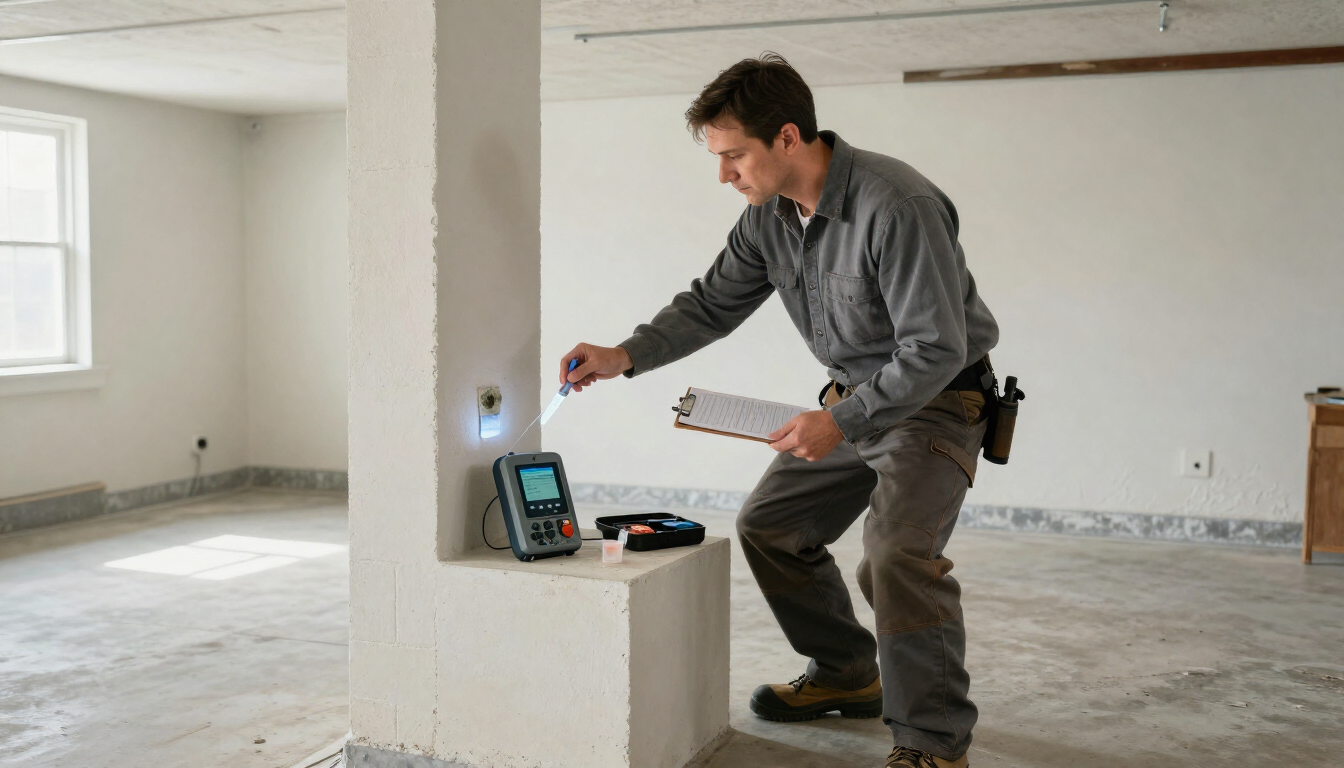
Commercial kitchen moisture inspection before holiday operations

What does a commercial mold inspection include?

The scope depends on the property and the reason for the visit. A professional inspection may include:

  • Interviews with owners, managers, employees, or tenants about odors and water events
  • A visual review of accessible interior and exterior areas
  • Moisture measurements in walls, floors, ceilings, and other materials
  • Evaluation of plumbing, roofing, HVAC, refrigeration, and ventilation concerns
  • Documentation of visible conditions with notes or photographs
  • Recommendations for targeted sampling, repairs, or further investigation

If sampling is warranted, samples may be submitted to an independent laboratory for analysis. The final report should explain the observed conditions, sampling locations, results when applicable, and recommended next steps in understandable language.

For a concern involving sewage, contaminated water, or a failed drain, a restaurant may also need specialized bacteria testing . If the issue follows a significant leak or flood, review water damage services as part of the response plan.

How can inspections reduce holiday-season business risk?

An inspection cannot guarantee that a building will have no mold or water problems. It can, however, help management make decisions earlier and with better information.

For example, an inspection may reveal a minor plumbing leak behind a sink, a condensation issue near a walk-in cooler, or damp ceiling materials after a roof repair. Each issue can be evaluated before it affects food storage, employee work areas, customer seating, or scheduled events.

Early information may also help a business coordinate with:

  • Building owners and landlords
  • Maintenance teams and licensed contractors
  • Insurance representatives
  • Remediation professionals
  • Employees responsible for cleaning and facility management

When remediation is completed, independent post-remediation verification can help document whether the work addressed the identified condition before normal operations resume.

Choosing a mold inspection company

When comparing providers, ask whether they:

  • Serve commercial properties and food-service environments
  • Clearly separate inspection, testing, remediation, and verification
  • Explain when sampling is and is not useful
  • Use qualified laboratories when laboratory analysis is needed
  • Provide a detailed written report
  • Identify moisture sources instead of focusing only on mold removal
  • Explain applicable New York requirements without making unsupported legal claims

Look for a company that communicates findings plainly and avoids scare tactics. A credible provider should help you understand the evidence, the limitations of testing, and the practical order of operations.

Frequently asked questions

Can a restaurant stay open during a mold inspection?

Often, yes. Many inspections can be performed while a business operates, provided the areas being evaluated can be accessed safely. The inspector and manager should coordinate around food preparation, customers, employees, and sanitation requirements.

Is air testing always necessary?

No. Air testing is not automatically appropriate for every concern. A visual inspection, moisture evaluation, and review of the building history may provide enough information. Sampling is most useful when it answers a specific question.

What if mold is found in a commercial kitchen?

Do not disturb extensive growth or spread contaminated materials. Identify and correct the moisture source, isolate affected areas when appropriate, and obtain professional guidance about cleaning or remediation. Food safety and workplace procedures should be considered throughout the response.

Should testing be repeated after remediation?

Follow-up evaluation may be appropriate, especially when the original problem was extensive, concealed, or connected to a significant water event. Post-remediation verification can provide documentation that the agreed scope of work was completed and that remaining conditions were evaluated.

Key takeaway for Westchester restaurants and bakeries

Mold inspections for restaurants in Westchester NY are a proactive way to identify moisture problems, investigate odors, document conditions, and reduce surprises before the holiday rush. New York does not impose one universal mold-inspection requirement on every restaurant, but specific mold projects and building conditions may bring licensing or regulatory requirements into play. Schedule an inspection early, review any report carefully, and address moisture at its source. If testing or remediation is recommended, confirm the scope, qualifications, and follow-up process before work begins.

Recent Posts

Radon and mold testing in a Dutchess County home
October 30, 2026
Learn when to schedule radon and mold testing in Dutchess County, NY, how professionals test, how to interpret results, and what to do next.
By April VanTassell • October 2, 2026
Cooler fall weather doesn’t mean mold disappears. Discover how changing temperatures, condensation, and hidden moisture can contribute to mold growth in Hudson Valley homes and what you can do to protect your property before winter.
By April VanTassell • September 25, 2026
As temperatures cool across the Hudson Valley, mold problems don’t necessarily disappear. Fall rain, condensation, damp basements, hidden leaks, and reduced ventilation can still create the moisture mold needs to grow. Learn why mold can remain a concern during fall and what Hudson Valley homeowners should watch for before winter arrives.
By April VanTassell • September 4, 2026
Before storing your RV, boat, camper, or travel trailer for the winter, make sure mold and hidden moisture aren’t being stored with it. Learn why a professional mold inspection and testing can help Hudson Valley owners identify potential problems before their vehicles and watercraft are closed up for the season.
By April VanTassell • August 28, 2026
Learn how a professional mold inspection works in Westchester, NY, what inspectors look for, when mold testing may be recommended, and what to expect from MoldTec LLC.
By April VanTassell • August 7, 2026
Planning one last camping trip before summer ends? Learn how to safely purify water in an emergency if you're ever stranded without clean drinking water. MoldTec LLC shares essential survival tips and explains why professional water testing is important once you're back home.
By April VanTassell • July 31, 2026
MoldTec LLC has been recognized by BizWeekly for its commitment to providing independent mold inspections and mold testing throughout White Plains, NY. Learn why homeowners, businesses, and real estate professionals trust MoldTec for accurate environmental testing and unbiased results.
By April VanTassell • July 3, 2026
Celebrate the Fourth of July with confidence by protecting the air you breathe and the water you drink. Learn why indoor air quality and water testing are important for Hopewell Junction homeowners during the summer and how MoldTec LLC can help you better understand your home's environmental health.
By April VanTassell • June 26, 2026
Basements and crawl spaces are among the most common areas for mold growth in Fishkill homes due to moisture, humidity, and limited airflow. In this article, we'll explore the most common places mold is found, the warning signs homeowners should watch for, and when professional mold testing may be necessary to identify hidden mold concerns before they become larger problems.
By April VanTassell • June 5, 2026
Radon is an invisible, odorless radioactive gas that can enter homes, rental properties, and commercial buildings through cracks in foundations and other openings. Because it cannot be detected without specialized testing, many property owners in Poughkeepsie may be unaware of the potential health risks associated with long-term exposure. Whether you're a homeowner, landlord, property manager, or commercial property owner, professional radon testing is a simple yet essential step in protecting occupants, reducing liability, and maintaining property value. Learn why radon testing should be a priority and how MoldTec LLC can help ensure your property remains safe.
Show More