Water Damage Assessment
Water Damage Isn't Always Visible. Know What's Happening Inside Your Property
Water damage can affect more than the areas you can see. Hidden moisture behind walls, beneath flooring, and inside building materials can create long-term problems if left unaddressed.
MoldTec LLC provides professional water damage assessments for residential and commercial properties, helping property owners identify moisture concerns, evaluate affected areas, and understand potential environmental risks.
Whether you've experienced a plumbing leak, roof leak, flooding, or unexplained moisture, our independent assessments help you make informed decisions about your property's condition..
What Is a Water Damage Assessment?
A water damage assessment evaluates areas of a property that have been exposed to water or may contain excessive moisture.
Water can travel beyond the original source, affecting drywall, insulation, flooring, ceilings, and other building materials.
Depending on the property and situation, MoldTec's assessment may include:
- Visual inspection of water-damaged areas
- Moisture measurements in accessible building materials
- Evaluation of visible water staining and deterioration
- Investigation of suspected hidden moisture
- Assessment of conditions that may encourage mold growth
- Identification of areas requiring further investigation
- Documentation of observed moisture and water damage
Our goal is to help determine the extent of observable and measurable moisture concerns and whether additional inspection, testing, or corrective work may be appropriate.
Don't Let Hidden Water Damage Become a Bigger Problem
Water damage isn't always visible, but ignoring moisture concerns can lead to costly repairs and potential mold growth. MoldTec LLC provides professional water damage assessments to help identify moisture problems and protect your property.
Signs You May Need a Water Damage Assessment
Some water damage is immediately noticeable, while other problems develop gradually.
Consider scheduling an assessment if you notice:
- Water stains on ceilings or walls
- Damp or discolored drywall
- Warped or buckling flooring
- Peeling paint or bubbling wallpaper
- Musty or persistent odors
- Excessive indoor humidity
- Recurring basement moisture
- Soft or deteriorating building materials
- Water intrusion following heavy rainfall
- Previous leaks that were never professionally evaluated
Even after an area appears dry, moisture may remain in concealed materials.
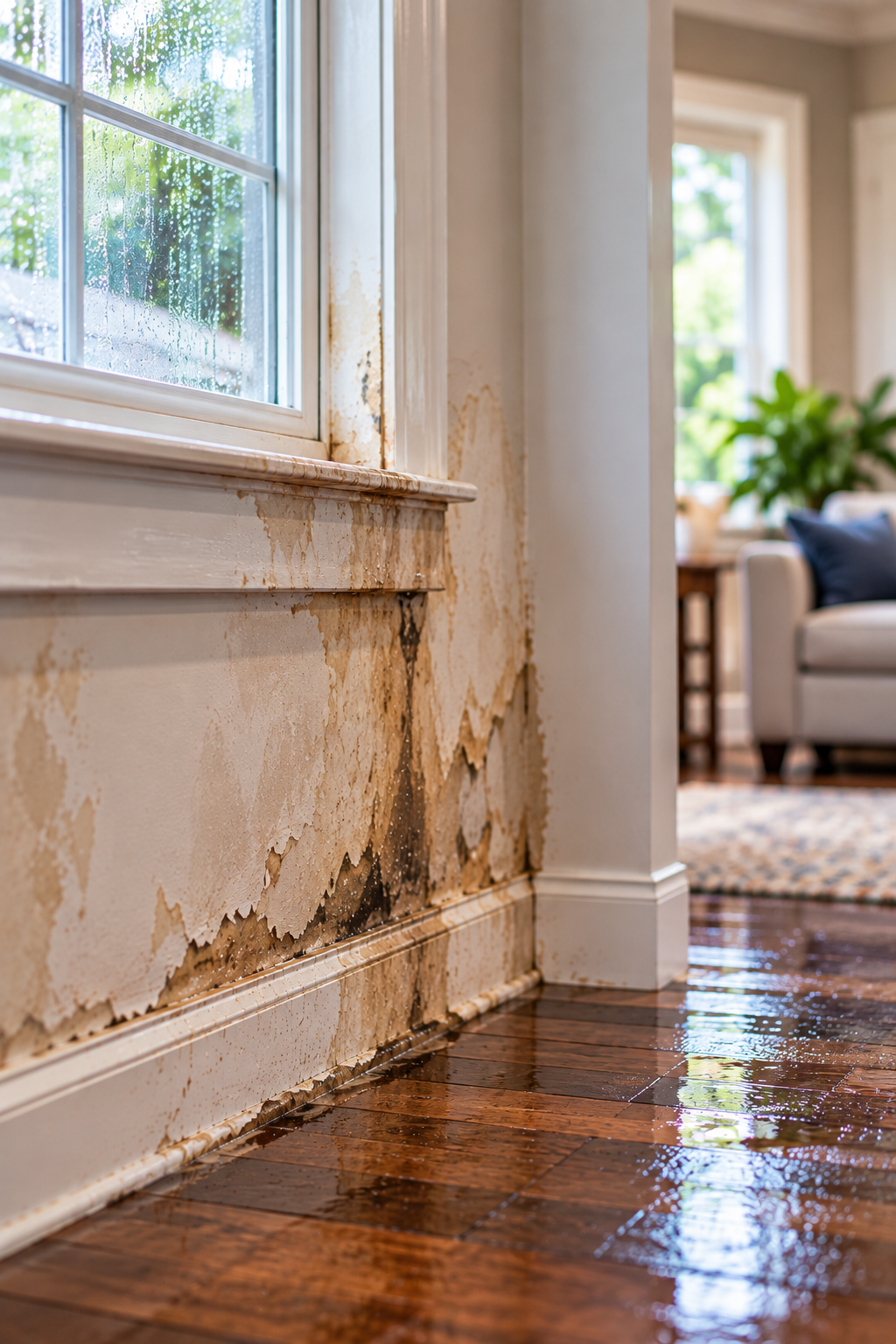
Moisture Creates Conditions Where Mold Can Develop
Water Damage & Mold Growth
One of the primary concerns following water damage is the potential for mold growth.
When moisture remains in building materials, mold may begin developing under suitable conditions, sometimes within 24–48 hours.
However, water damage does not automatically mean mold is present.
MoldTec evaluates moisture-related conditions and can recommend a separate mold inspection or mold testing when appropriate.
Identifying and correcting the moisture source is essential to reducing the likelihood of recurring problems..
Our Water Damage Assessment Process
Stage 1: Inspect the Property
Step one
We evaluate affected areas for visible water damage, moisture intrusion, and conditions that may indicate hidden moisture problems.
Stage 2: Assess Moisture & Damage
Step two
Using professional moisture-detection equipment, we assess affected building materials and identify areas that may require further investigation.
Stage 3: Review Findings & Next Steps
Step three
We explain our findings, discuss potential environmental concerns, and recommend appropriate next steps to help protect your property.
FAQs
What is a water damage assessment?
A water damage assessment is a professional evaluation of areas affected by water intrusion or excessive moisture. It helps identify visible damage, moisture conditions, and areas that may require further investigation.
How do I know if I have hidden water damage?
Warning signs can include water stains, musty odors, warped flooring, peeling paint, or recurring dampness. Moisture-detection equipment can help identify concerns that may not be immediately visible.
How do I know if I have hidden water damage?
Warning signs can include water stains, musty odors, warped flooring, peeling paint, or recurring dampness. Moisture-detection equipment can help identify concerns that may not be immediately visible.
How soon should water damage be assessed?
Water damage should be addressed as soon as possible. Prompt action can help limit further damage and reduce the likelihood of mold growth. Active leaks and standing water should be handled immediately by appropriate professionals.
Can water damage cause mold?
Yes. Moisture can create conditions that support mold growth, sometimes within 24–48 hours. However, not every water damage incident results in mold contamination.
Is water damage assessment the same as mold inspection?
No. A water damage assessment focuses on moisture intrusion and affected building materials. A mold inspection focuses on identifying conditions and evidence associated with mold growth. Both services may be appropriate in certain situations.
Does MoldTec provide water damage restoration?
No. MoldTec focuses on environmental assessments, inspections, and testing. If drying, water removal, repairs, or restoration are needed, a qualified restoration professional should perform that work.
an you assess water damage after the area has dried?
Yes. An assessment may identify remaining moisture, visible damage, or other conditions requiring attention. However, some evidence of the original water intrusion may no longer be detectable.
Do you assess commercial properties?
Yes. MoldTec provides water damage assessments for residential and commercial properties, including offices, rental properties, and other buildings.
Thank you for contacting us.
We’ll get back to you as soon as possible.
We got it.
Explore Our Other Environmental Testing Services
Water damage doesn't always stop at the surface.
Roof leaks, plumbing failures, flooding, and hidden moisture can affect walls, floors, ceilings, and other building materials, potentially leading to structural deterioration and mold growth if left unaddressed.
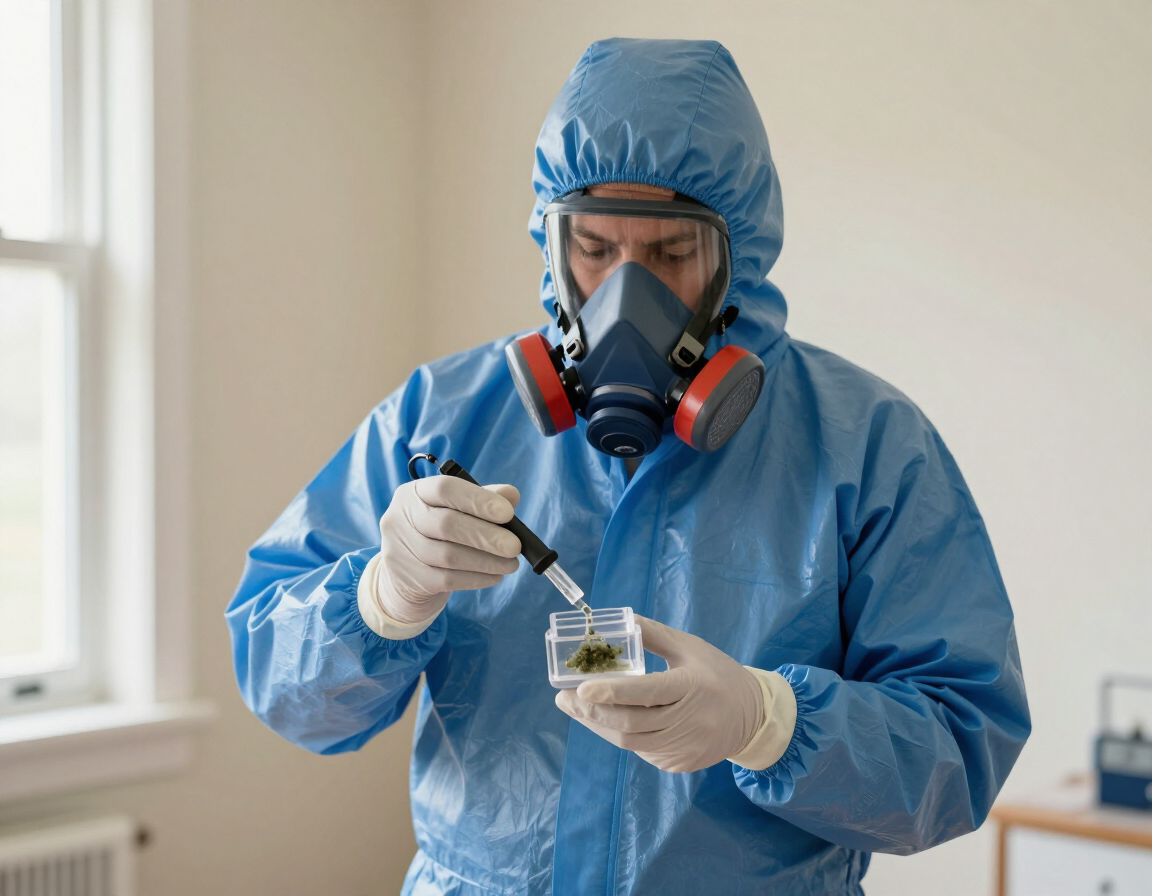
Mold Testing
Environmental sampling and laboratory analysis when mold contamination is suspected.

Water Testing
Evaluate indoor environmental conditions and potential airborne contaminants that may be affecting the air inside your property.
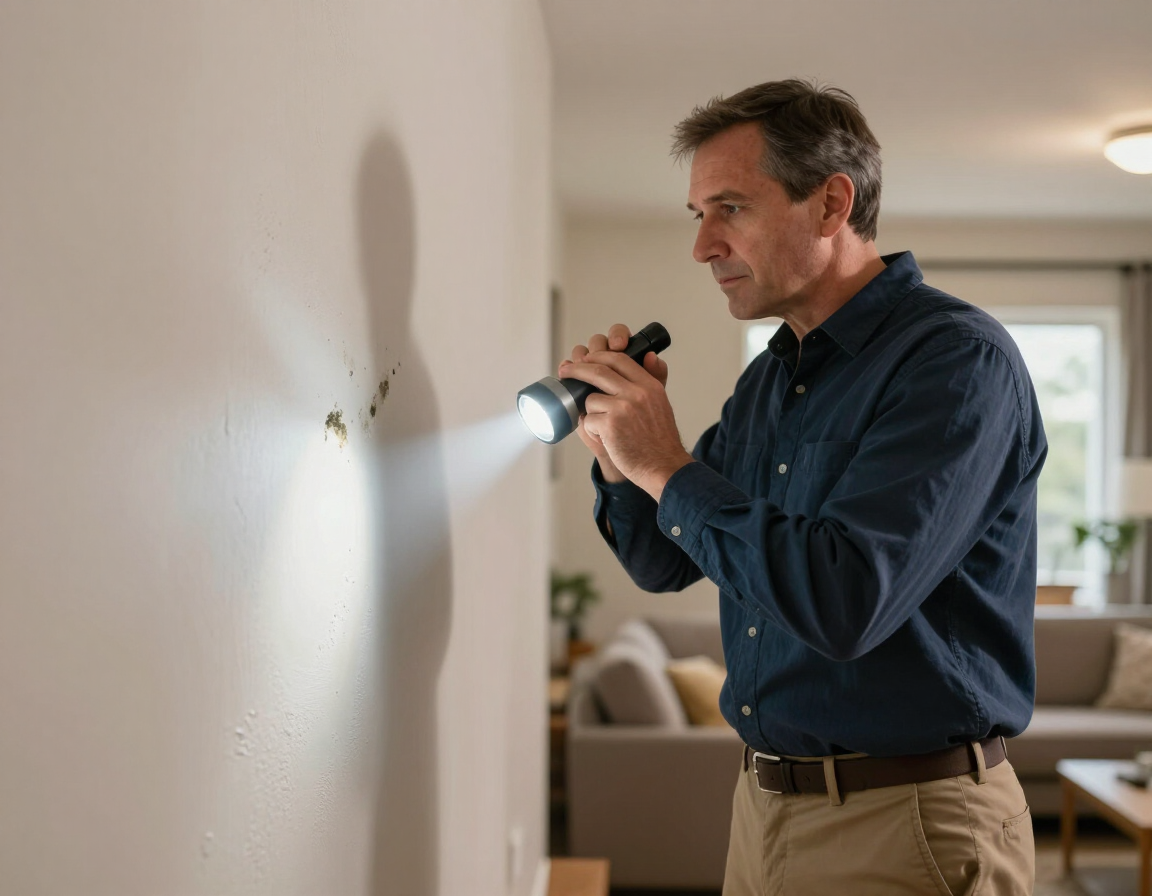
Mold Inspections
Professional inspection when moisture or water intrusion may have contributed to mold growth inside a property.

Bacteria Testing
Testing for concerns including E. coli, total coliform, Enterococci, fecal bacteria, and suspected sewage contamination.
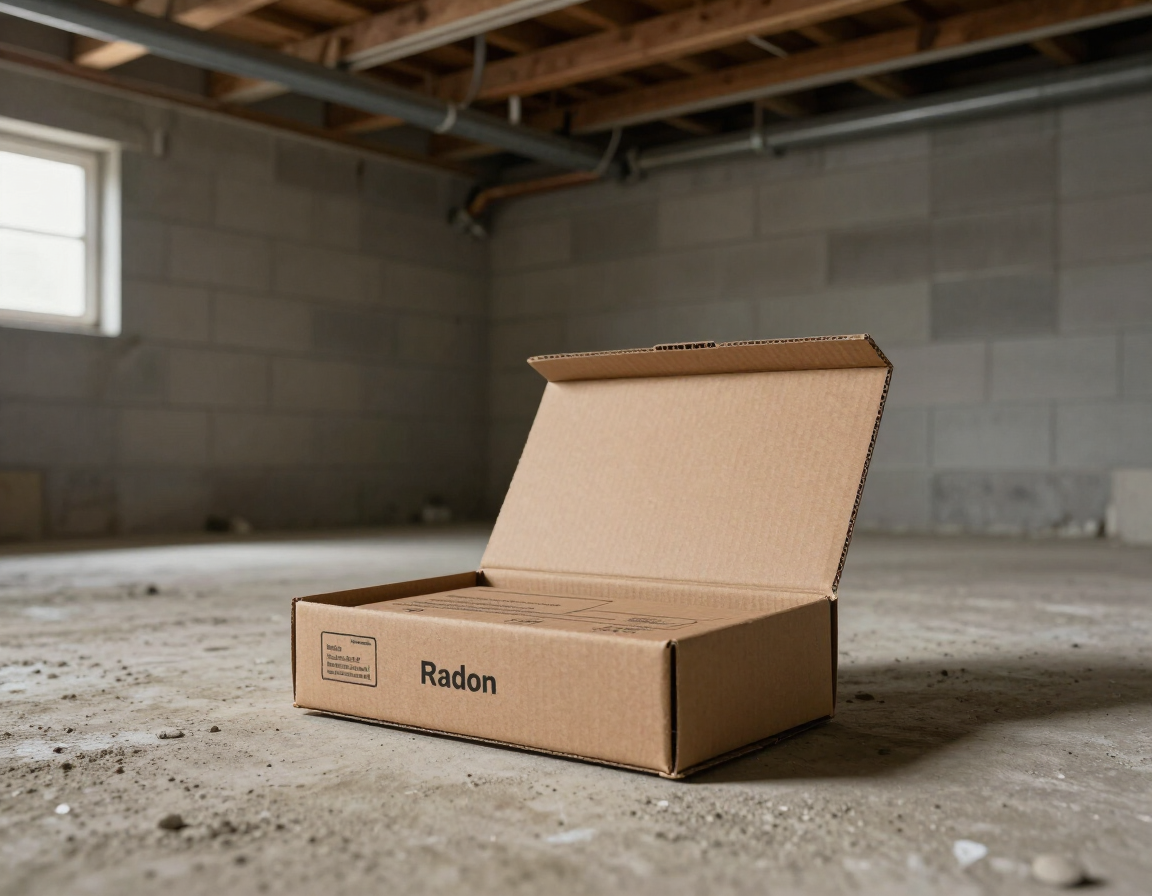
Radon Testing
Professional radon testing to help determine whether elevated radon levels may be present inside a property.

Consultations
Professional guidance when you're unsure which type of inspection or testing your situation requires.